
Most Businesses Get This Part Wrong
You've done the research. The energy savings look real. The payback period makes sense. You're ready to move forward with a commercial lighting upgrade.
Then a contractor hands you a proposal. Numbers look reasonable. The pitch sounds confident. And somewhere between "DLC-certified fixtures" and "utility rebate pre-approval," your eyes glaze over, and you sign.
That's the moment where thousands of dollars in LED lighting rebates get left on the table — or worse, where a poorly structured contract locks you into a project that underdelivers and overcharges.
Here's the truth: the quality of your lighting upgrade is decided before a single fixture is touched. It's decided in the conversation before the contract. The 10 questions below are what separate a smooth, fully incentivized project from a costly mistake and most of your competitors aren't asking them.
Why These Questions Matter for Your Lighting Upgrade
A commercial lighting upgrade isn't like ordering office supplies. It involves electrical work, product certification, utility program deadlines, tax deductions, permit requirements, and a paperwork trail that determines whether your rebate check actually arrives.
A successful LED upgrade includes a detailed audit of existing fixtures, opportunity to select from multiple solutions and manufacturers, utility rebate assessment, installation by licensed electricians, and permit sign-off by the electrical inspector. Not every contractor delivers all of that. And if yours doesn't, you're the one who pays for the gap.
Ask these 10 questions before you sign anything.
Questions About Credentials and Experience
Question 1: Do You Specialize in Commercial Lighting Upgrades — or Is This a Side Service?
This is the most important question on the list, and it's the one most people skip.
General electrical contractors are not the same as commercial lighting specialists. A specialist understands the difference between prescriptive and custom rebate programs. They know which fixture categories saw the largest rebate increases in 2026. They've filed utility applications before and know exactly what documentation each program requires.
It is crucial to verify that your contractor's core competency is commercial LED services and large-scale conversions, not just general electrical work. Specialization means they understand the complexities of existing infrastructure, utility rebates, and the latest LED conversion technology.
Ask for references from commercial projects specifically. Ask how many utility rebate applications they've managed in the past 12 months. The answers tell you everything.
Question 2: Are You Licensed, Bonded, and Insured for Commercial Work in This State?
This one sounds basic — but "licensed for residential work" and "licensed for commercial electrical work" are not the same thing in most states. Verify the specific license type, not just that a license exists. Ask for the license number and check it with your state's contractor licensing board. An unlicensed installation can void your warranty, create liability exposure, and in some cases, disqualify you from rebate programs that require permit sign-off.
Questions About Products and Certification
Question 3: Are Your Fixtures DLC-Listed — and Which Tier?
This question alone can determine whether your LED lighting rebates come through or not.
Almost all rebate programs require DLC-listed fixtures. DLC stands for Design Lights Consortium — a nonprofit that maintains a Qualified Products List (QPL) used by the majority of North American utility rebate programs to verify fixture eligibility.
But here's the detail most contractors won't volunteer: there are two tiers. DLC Premium listing requires higher efficacy and controls-ready capability — and triggers bonus rebates of $25 to $50 per fixture compared to DLC Standard. On a warehouse installation running 100 or 200 units, that difference is material.
Also worth knowing: DLC V6.0 is now in effect as of January 2026, with V5.1 products facing a delisting deadline. Distributors should audit their stock now. Ask your contractor specifically whether the fixtures proposed are listed under V6.0 or carry a V5.1 listing with a shelf life.
Question 4: What Warranty Comes With the Fixtures — and Who Backs It?
LED fixtures should carry a minimum five-year warranty. The best commercial products carry ten. But the warranty is only valuable if the company backing it still exists when you need it.
Ask whether the warranty is backed by the manufacturer directly or by the contractor. Ask what the claim process looks like. A five-year manufacturer warranty from a reputable brand is worth far more than a ten-year "contractor warranty" with no manufacturer behind it.
Questions About Rebates and Incentives
Question 5: Will You Handle the Rebate Pre-Approval Before Installation Begins?
This is where the most money gets lost — and the answer you want is a clear, unconditional yes.
Nearly all utilities require rebate pre-approval before materials are purchased or installed. Businesses planning 2026 projects should begin rebate reviews early to lock in available funding.
Retroactive rebates are almost nonexistent in 2026. If you install first, you lose the money.
A contractor who handles pre-approval as part of their standard process is protecting your money. One who hands you a rebate application after the project is done is handing you a problem.
Question 6: Can You Stack Multiple Incentive Types on This Project?
Utility rebates are one piece of the puzzle. There is still a powerful mix of tax deductions, state programs, and utility rebates available, many of which dramatically reduce the cost of a retrofit project.
Specifically, ask about the Section 179D federal deduction, which remains available for commercial building owners through June 30, 2026, making timing critical for any project scoped this year. Also ask whether your state has programs that can layer on top of the utility rebate.
A contractor who only knows the utility program is leaving money on the table. The best ones know how to stack all three layers — and they should be able to show you exactly how that stacking affects your net project cost.
Question 7: Do Lighting Controls Qualify for Separate Rebates on This Project?
Incentives for Networked Lighting Controls and Luminaire Level Lighting Controls are expanding in 2026, with rebates for these controls increasing by about 7%.
Occupancy sensors, daylight harvesting systems, and networked controls can qualify for their own rebate incentives — completely separate from the fixture rebates. Many facility managers don't know this. Many contractors don't mention it.
If your contractor doesn't bring up controls rebates during the proposal conversation, ask directly. A bundled fixture-and-controls upgrade almost always captures more total incentive dollars than a fixture-only project.
Questions About Process and Protection
Question 8: What Does the Project Timeline Look Like — and Who Manages Permits?
A complete commercial lighting upgrade involves more than installing new fixtures. It requires permits in most jurisdictions, utility inspections for rebate verification, and documented before-and-after data that the rebate program will want to see.
The commercial rebate process typically takes 4 to 6 weeks for approval and up to six months for payout. Missing any required steps can delay or disqualify rebate eligibility.
Ask who pulls permits, who manages inspections, and who tracks rebate application status after submission. "We handle everything" is a common answer — but get it in writing, including who is responsible if a rebate is delayed or denied due to documentation issues.
Question 9: How Will You Handle Disposal of Old Fixtures?
This question protects you legally, not just environmentally.
Old HID or fluorescent lamps are required to be recycled as hazardous waste. A qualified contractor will provide certification, eliminating your company from any potential liability due to improper disposal.
States including California, Colorado, Hawaii, Minnesota, Oregon, and Rhode Island have implemented bans on fluorescent lamps, with other states following in regulatory direction. If your contractor tosses old fluorescents in a dumpster and you get cited for improper hazardous waste disposal, the savings from your lighting upgrade start looking a lot smaller. Ask for a written recycling certification as part of the contract.
Question 10: What Happens if the Energy Savings Don't Match What You Projected?
This question separates confident, experienced contractors from ones who made the numbers look good to win the job.
A reputable lighting upgrade contractor will stand behind their energy savings projections with a documented audit methodology. Ask them to show you how they calculated projected savings — fixture by fixture, based on actual wattage reduction and your building's real operating hours.
The best way to avoid delays and issues is filing right the first time. Include all required documents from the start. Provide strong evidence, use clear organized submissions, and the more evidence you provide, the less likely USCIS requests more. The same principle applies here — the more rigorous the pre-project audit, the more defensible the savings projection, and the more protected you are if results come in below expectations.
A great contractor will also offer to review results against projections at the six-month mark. If they won't commit to that conversation, ask yourself why.
The 2026 Incentive Window You Should Know About
Beyond the questions above, one timing factor deserves its own mention.
For many commercial and industrial properties, a 2026 LED upgrade delivers a typical 1 to 4 year payback when incentives are applied. The 179D federal deduction remains available, but projects must begin construction before the June 30 deadline — making early planning essential.
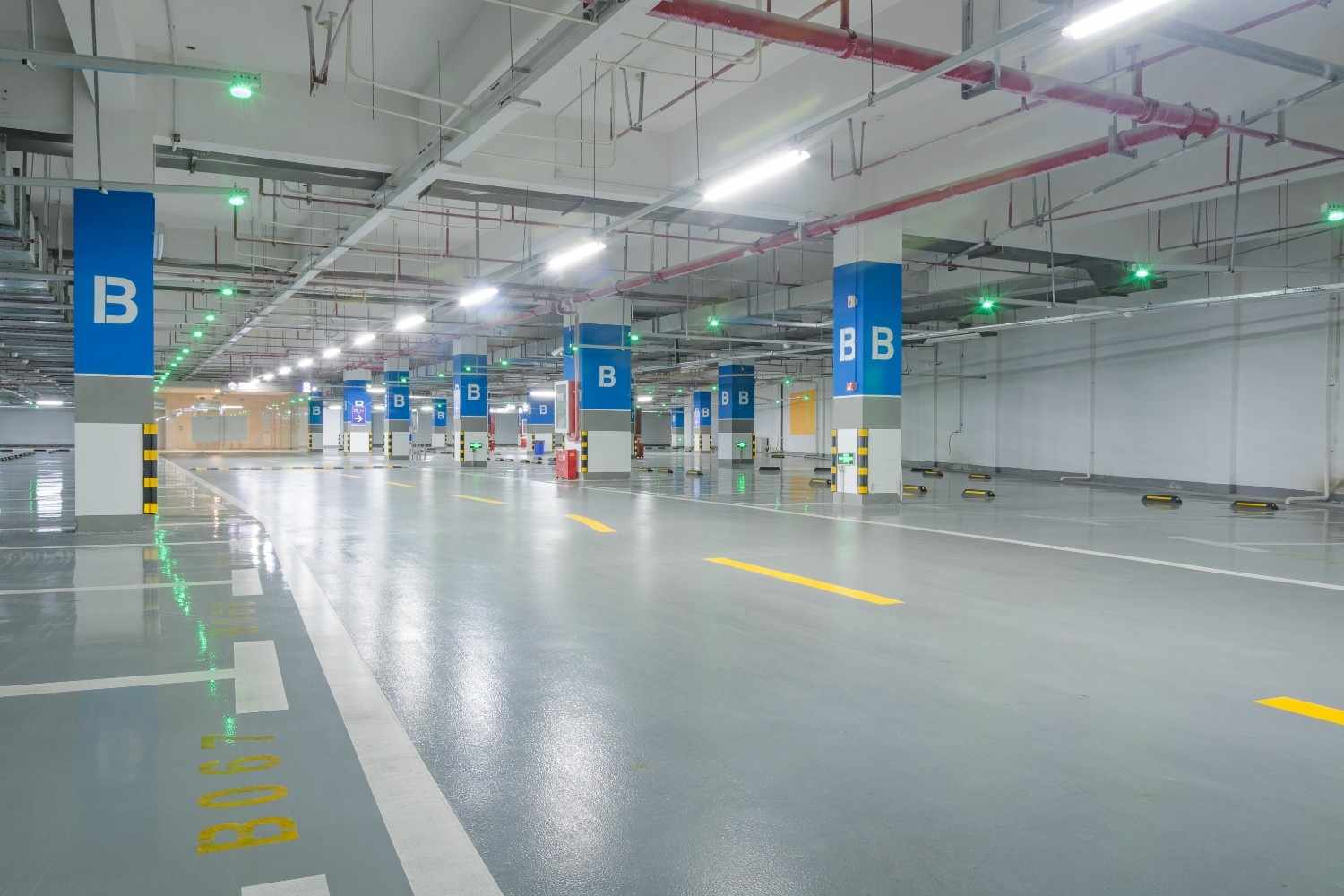
On top of that, average prescriptive lighting incentives rose roughly 17% in 2026, with especially strong increases for traditional high-energy fixtures like parking garage lights, canopy lights, and wall packs — some seeing increases of 30% or more.
The combination of a federal deadline and historically strong utility rebate levels makes 2026 an unusually favorable year. Businesses that move quickly, with the right contractor and the right questions answered upfront, are locking in the best payback periods available.
Frequently Asked Questions
Q: What is the biggest mistake businesses make before signing a lighting upgrade contract? Not confirming rebate pre-approval as part of the contractor's scope of work. Installing first and applying for rebates after is the fastest way to lose incentive money. Almost all programs require pre-approval before materials are purchased.
Q: How do I check if a contractor's proposed fixtures qualify for rebates? Ask for the DLC QPL listing number for each proposed fixture. You can verify any product directly at DesignLights.org. If the contractor can't provide a QPL listing number for the fixtures they're proposing, that's a red flag for rebate eligibility.
Q: Are LED lighting rebates still available if we already upgraded to LED years ago? Possibly. In 2026, 22% more rebate programs now explicitly allow rebates for LED-to-LED upgrades, recognizing that modern products can deliver up to 50% greater efficiency compared to early LED installations. Have a specialist audit your existing system to check eligibility.
Q: What should be included in a commercial lighting upgrade contract? At minimum: a fixture-by-fixture scope of work with product specs and DLC listing numbers, a project timeline with permit and inspection milestones, rebate pre-approval handling responsibility, hazardous waste disposal certification, warranty terms with the backing entity clearly named, and a savings projection with the methodology documented.
Q: Can non-profit organizations or schools claim the same incentives? Tax-exempt entities like schools and churches can now receive federal tax credits as direct cash payments — a significant change for institutional budgeting. Utility rebates also apply to non-profits in most programs. Consult with a lighting specialist who has experience with institutional projects specifically.
Q: How long does a typical commercial lighting upgrade take from contract to completion? Most projects take 2 to 8 weeks for installation, depending on building size and scope. The full timeline — including rebate pre-approval, installation, utility inspection, and rebate payout — typically runs 4 to 9 months. Factor that into your planning, especially if you're targeting the Section 179D federal deduction before the June 30, 2026 deadline.
Conclusion: The Right Questions Lead to the Right Lighting Upgrade
A commercial lighting upgrade is one of the most financially predictable investments a facility manager can make. The energy savings are real. The LED lighting rebates are real. The incentives for upgrading to LED lighting in 2026 are stronger than they've been in years.
What determines whether those savings actually land is the quality of the contractor you choose and the clarity of the contract you sign. These 10 questions aren't just due diligence; they're a filter. A contractor who answers all 10 with confidence and specificity has done this before, done it right, and can prove it.
One who deflects, generalizes, or can't answer Question 3 about DLC listing tiers is one who may cost you more than they save.
Take the questions seriously. Take the contract seriously. And take the timing seriously, because the incentive window for 2026 is open now, but it won't stay that way.


Write a comment ...